

Poverty solutions require a multifaceted approach, addressing root causes like lack of education, healthcare, and infrastructure, while empowering communities through microfinance, technology, and investment in women and girls.
Poverty solution is essential for a fair society, but have you ever wondered how different strategies can make a real impact? In this article, we’ll explore various approaches that aim to reduce inequality and uplift communities.
Understanding the root causes of poverty
Understanding the root causes of poverty is crucial for developing effective solutions. Poverty isn’t simply a lack of income; it’s a complex web of interconnected factors that trap individuals and communities in a cycle of hardship. These factors can vary significantly depending on context, but some common themes emerge.
Lack of Access to Quality Education
Education empowers individuals with knowledge and skills to improve their livelihoods. Lack of access to quality education, particularly in developing countries, perpetuates poverty across generations. Without basic literacy and numeracy skills, individuals face limited employment opportunities and struggle to escape low-paying jobs.
Limited Healthcare Access
Inadequate healthcare access contributes significantly to poverty. Illness and disability can prevent people from working, leading to lost income and increased medical expenses. This is particularly devastating in countries without universal healthcare or robust social safety nets.
Discrimination and Social Inequality
Discrimination based on factors like race, gender, religion, or caste can severely limit opportunities for certain groups. Systemic inequalities create barriers to education, employment, and other essential resources, trapping individuals in poverty.
Lack of Infrastructure
A lack of essential infrastructure, such as clean water, sanitation, and reliable transportation, hinders economic development and perpetuates poverty. These deficiencies disproportionately affect rural communities, limiting their access to markets, healthcare, and educational opportunities.
Climate Change and Environmental Degradation
Increasingly, climate change and environmental degradation are major drivers of poverty, particularly in vulnerable regions. Natural disasters, droughts, and land degradation displace communities, destroy livelihoods, and exacerbate food insecurity.
Conflict and Political Instability
Conflict and political instability disrupt economic activity, displace populations, and create widespread poverty. These situations often lead to humanitarian crises, requiring extensive resources for relief and recovery.
Innovative strategies for poverty reduction
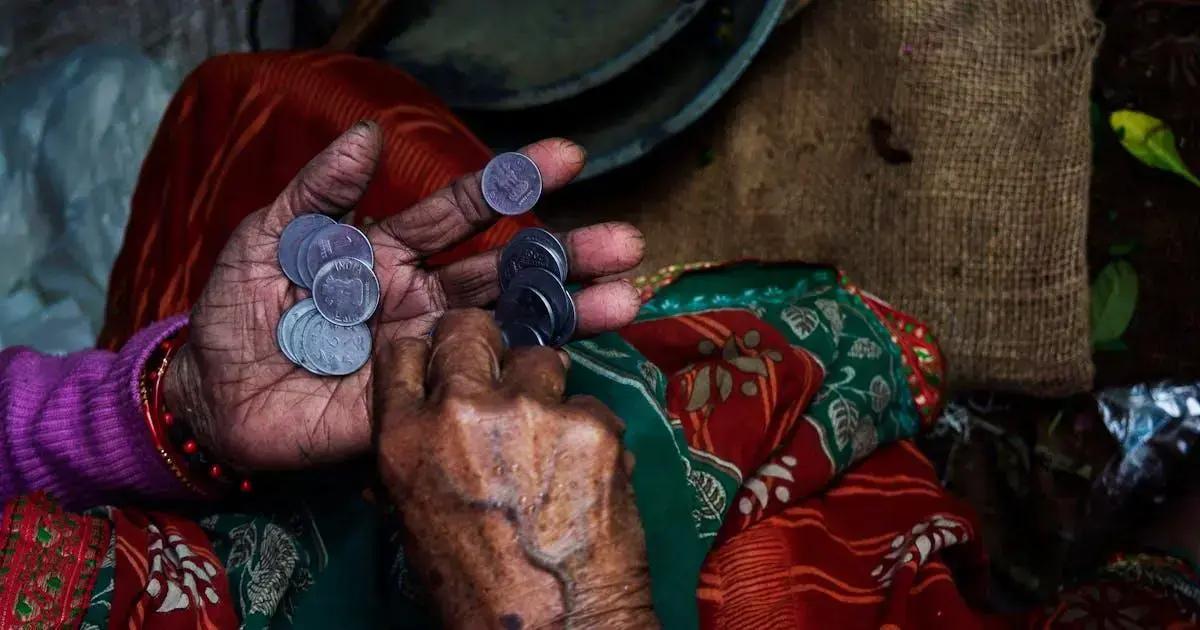
Innovative strategies are crucial for tackling the complex challenge of poverty reduction. Traditional approaches often fall short, necessitating new and creative solutions that address the root causes of poverty and empower individuals and communities.
Microfinance and Microcredit Initiatives
Microfinance and microcredit programs provide small loans and financial services to low-income individuals, particularly women, who lack access to traditional banking systems. These initiatives enable entrepreneurship, create income-generating opportunities, and foster financial independence.
Conditional Cash Transfers
Conditional cash transfer (CCT) programs provide cash payments to families in poverty, contingent upon meeting specific conditions, such as enrolling children in school or attending regular health check-ups. CCTs incentivize positive behaviors, improve human capital, and break the cycle of poverty across generations.
Investing in Renewable Energy and Sustainable Agriculture
Investing in renewable energy and sustainable agriculture can create economic opportunities in rural communities and improve resilience to climate change. These initiatives empower communities to generate their own energy, improve agricultural practices, and enhance food security.
Mobile Technology and Digital Inclusion
Mobile technology and increased digital access can play a transformative role in poverty reduction. Mobile banking, online education platforms, and access to information empower individuals and connect them to essential services and opportunities.
Public-Private Partnerships
Public-private partnerships (PPPs) leverage the expertise and resources of both sectors to address complex social challenges. PPPs can facilitate investment in infrastructure, education, and healthcare, driving economic growth and improving living standards.
Empowering Women and Girls
Investing in women and girls is one of the most effective strategies for poverty reduction. Providing access to education, healthcare, and economic opportunities empowers women to become agents of change in their families and communities.
Social Entrepreneurship and Impact Investing
Social entrepreneurship and impact investing focus on creating innovative business models that address social and environmental challenges while generating financial returns. These approaches can drive innovation, create jobs, and deliver sustainable solutions to poverty.
FAQ: Frequently Asked Questions about Poverty Solutions
What are the main causes of poverty?
Poverty is a complex issue with multiple interconnected causes, including lack of access to quality education, limited healthcare, discrimination, lack of infrastructure, climate change, and conflict.
How can microfinance help reduce poverty?
Microfinance provides small loans and financial services to low-income individuals, enabling them to start businesses, generate income, and become financially independent.
What are conditional cash transfers and how do they work?
Conditional cash transfers (CCTs) provide cash payments to families in poverty, contingent upon meeting certain conditions like school enrollment or health check-ups. This incentivizes positive behaviors and helps break the cycle of poverty.
What role does technology play in poverty reduction?
Technology, especially mobile technology, can connect people to essential services, provide access to information and education, and facilitate financial inclusion, empowering individuals and communities.
How can governments and businesses work together to address poverty?
Public-private partnerships (PPPs) can leverage the resources and expertise of both sectors to invest in infrastructure, education, and healthcare, driving economic growth and improving living standards.
Why is empowering women and girls important for poverty reduction?
Investing in women and girls has a multiplier effect. When women have access to education, healthcare, and economic opportunities, they can lift themselves, their families, and their communities out of poverty.
