
Global poverty reduction involves strategies like education, healthcare, job creation, and women’s empowerment. Organizations like TechnoServe and initiatives such as the Sustainable Development Goals play crucial roles. Future challenges include climate change and technological displacement, while opportunities lie in green jobs and innovative technologies. Collaboration and targeted efforts are key to creating lasting change.
In today’s world, global poverty remains a pressing issue affecting billions of lives. From inadequate access to basic necessities to limited opportunities for education and employment, poverty’s impact is far-reaching and complex. But what exactly defines poverty, and how can we effectively combat it? Let’s delve into this crucial topic and explore the multifaceted nature of global poverty.
Defining Poverty: A Multidimensional Challenge
Poverty isn’t just about money. It’s a complex issue that affects people in many ways. When we talk about poverty, we’re looking at more than just income. We’re considering access to education, healthcare, and basic needs like food and clean water.
The United Nations defines poverty as a lack of choices and opportunities. This means people in poverty often can’t:
- Get proper education
- Find good jobs
- Stay healthy
- Feel safe in their homes
Poverty also means not having a voice in society. Poor people often can’t participate in important decisions that affect their lives. This makes poverty a social and political problem, not just an economic one.
Understanding poverty as multidimensional helps us create better solutions. We need to address all aspects of poverty to really make a difference in people’s lives.
Absolute vs. Relative Poverty: Key Differences
When we talk about poverty, there are two main types: absolute and relative. Let’s break them down:
Absolute Poverty
This is when people can’t meet their basic needs. They might not have:
- Enough food to eat
- Clean water to drink
- A safe place to live
- Basic healthcare
The World Bank sets a poverty line to measure this. Right now, it’s $2.15 per day. If someone lives on less than this, they’re in absolute poverty.
Relative Poverty
This type looks at how poor someone is compared to others in their society. A person in relative poverty:
- Has their basic needs met
- But can’t afford what most people have
- Might struggle to join in social activities
For example, in a rich country, not having a TV might be seen as relative poverty. But in a poor country, it might not.
Understanding these differences helps us tackle poverty better. We need different solutions for absolute and relative poverty.
Measuring Poverty: Methods and Metrics
Measuring poverty helps us understand how big the problem is and if our solutions are working. Here are some common ways we measure poverty:
Income-Based Measures
- Poverty Line: This is a set amount of money. If you earn less than this, you’re considered poor.
- Poverty Gap: It shows how far below the poverty line people are.
Consumption-Based Measures
These look at what people spend money on, not just what they earn. It includes things like:
- Food
- Housing
- Healthcare
This can give a more accurate picture of people’s lives.
Multidimensional Poverty Index (MPI)
The MPI looks at more than just money. It considers:
- Education: Are kids in school? Can adults read?
- Health: Is the family well-fed? Do they have clean water?
- Living Standards: Do they have electricity? A proper toilet?
This method helps us see all the ways poverty affects people’s lives.
Surveys and Data Collection
To get this information, researchers:
- Talk to families
- Visit homes
- Look at government records
It’s a big job, but it helps us understand poverty better and find ways to help.
The World Bank’s Poverty Thresholds Explained
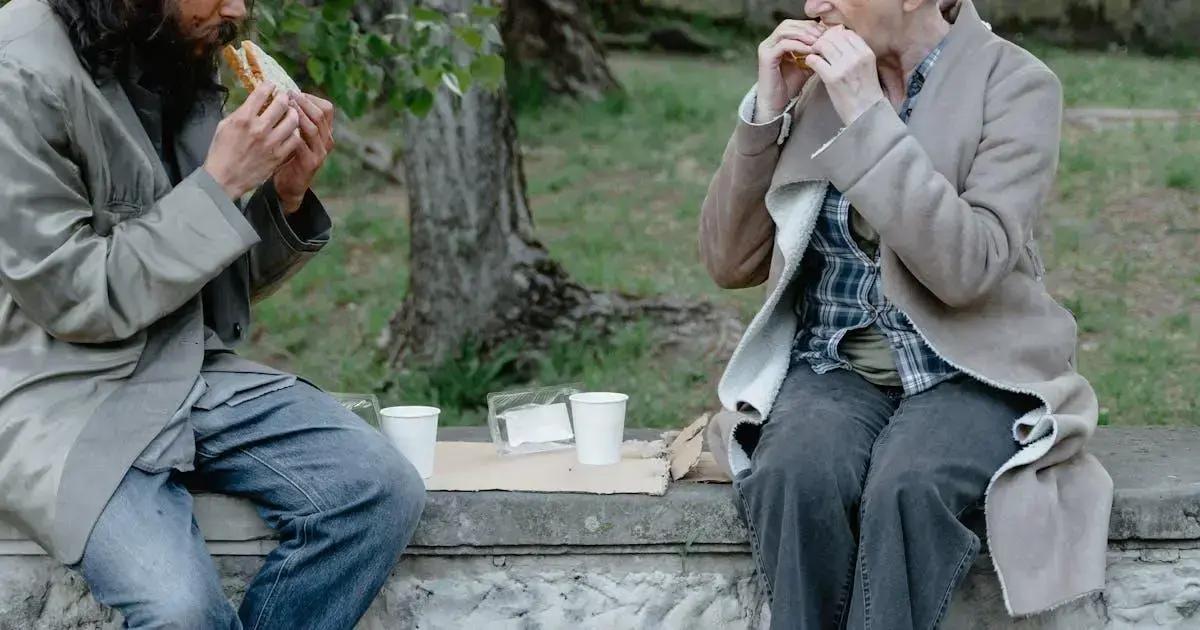
The World Bank uses special lines to measure poverty around the world. These lines help us understand who’s poor and how poor they are. Let’s look at the main ones:
Extreme Poverty Line
This is set at $2.15 per day. If someone lives on less than this, they’re in extreme poverty. They might not have enough food or a safe place to live.
Lower Middle-Income Poverty Line
This line is at $3.65 per day. It’s used for countries that are a bit better off, but still have many poor people.
Upper Middle-Income Poverty Line
Set at $6.85 per day, this line is for countries that are doing better economically. But even here, some people struggle to meet basic needs.
The World Bank updates these lines every few years. They look at:
- How prices change over time
- What it costs to buy basic things in different countries
These lines help governments and organizations:
- See how many people are poor
- Check if poverty is getting better or worse
- Decide where to send help
Remember, these lines are just tools. They don’t tell the whole story of poverty, but they help us understand it better.
Multidimensional Poverty Index: Beyond Income
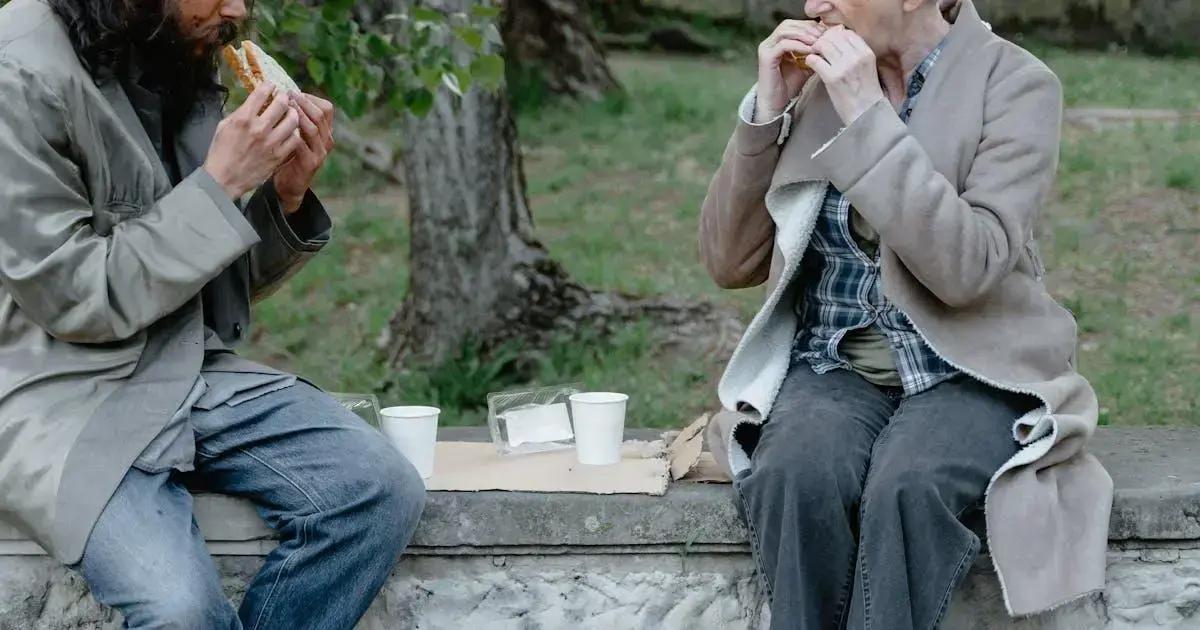
The Multidimensional Poverty Index (MPI) looks at poverty in a new way. It doesn’t just count money. It sees how poverty affects people’s lives in many areas.
What the MPI Measures
The MPI looks at three main things:
- Health: Are people well-fed? Do they have clean water?
- Education: Can kids go to school? Can adults read and write?
- Living Standards: Do people have electricity? A proper toilet? Cooking fuel?
Each of these areas is important for a good life. The MPI checks if people are missing out on any of them.
How It Works
The MPI gives each person a score based on what they have and don’t have. If someone misses too many things, they’re considered “multidimensionally poor.
This method shows us:
- Who is poor in more than one way
- How many difficulties poor people face
- Which problems are the biggest in different places
Why It’s Useful
The MPI helps us:
- Understand poverty better
- See which areas need the most help
- Make better plans to fight poverty
It shows that fixing poverty isn’t just about giving money. We need to improve many parts of people’s lives.
Root Causes of Global Poverty
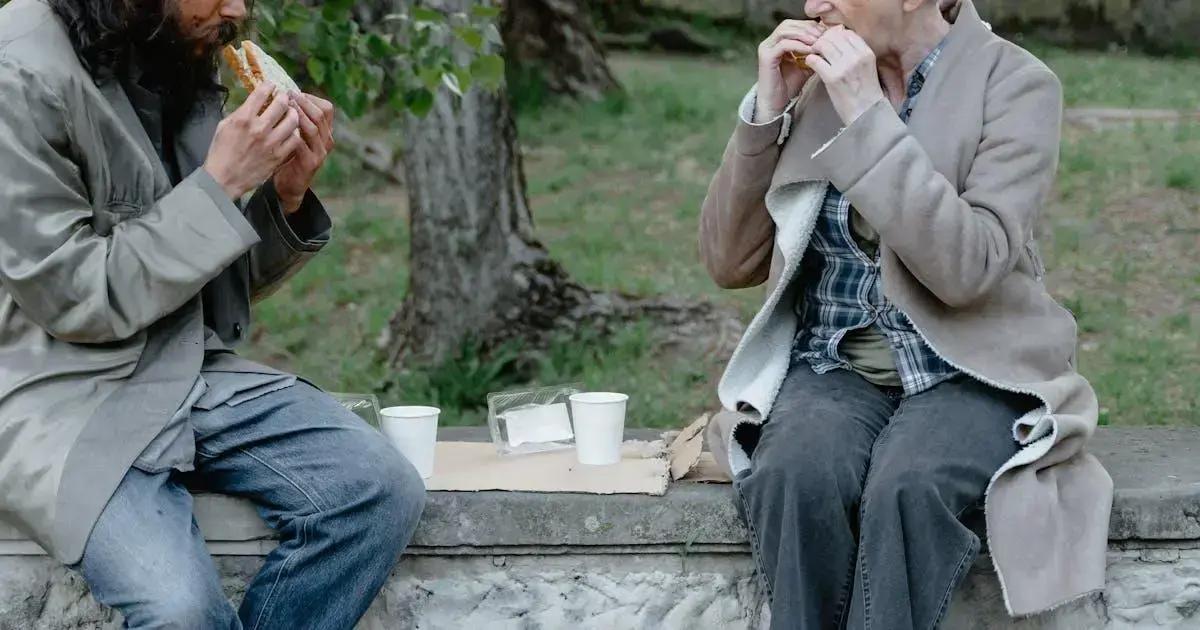
Poverty doesn’t just happen. There are many reasons why people stay poor. Let’s look at some big causes of global poverty:
Lack of Education
When people can’t go to school, they often can’t get good jobs. This keeps them poor. Education helps people:
- Learn important skills
- Find better work
- Earn more money
Health Problems
Being sick can make people poor. It’s hard to work when you’re not well. Poor health also means:
- Spending money on medicine
- Missing work and losing pay
- Kids missing school to care for sick parents
Unfair Trade
Some countries can’t sell their goods for fair prices. This keeps whole nations poor. Unfair trade leads to:
- Farmers getting paid too little
- Countries staying in debt
- Local businesses failing
Climate Change
Changing weather hurts poor people the most. It causes:
- Crops to fail
- Natural disasters that destroy homes
- Water shortages
Conflict and War
Fighting ruins lives and economies. It leads to:
- People losing homes and jobs
- Money being spent on weapons instead of schools or hospitals
- Businesses closing down
Lack of Jobs
Without work, people can’t earn money. This happens when:
- There aren’t enough jobs
- People don’t have the right skills
- The economy is bad
These causes often work together, making poverty even harder to escape.
Food Insecurity and Poverty: A Vicious Cycle
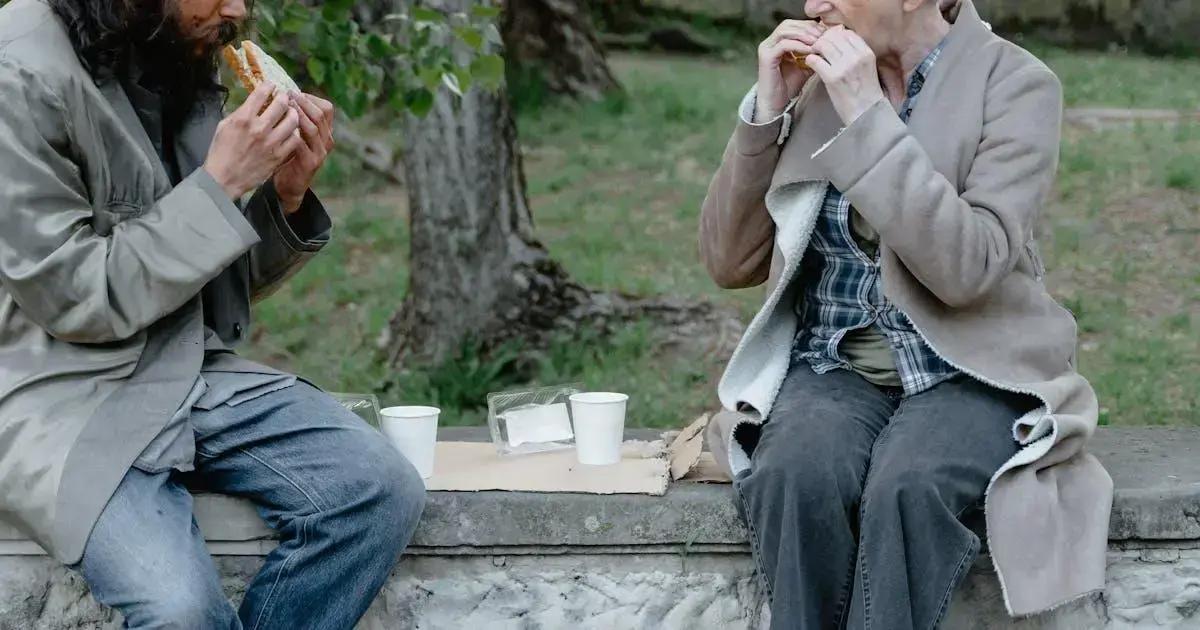
Food insecurity and poverty go hand in hand. They feed off each other, making life harder for many people.
What is Food Insecurity?
Food insecurity means not having steady access to enough food. It’s when people worry about:
- Where their next meal will come from
- If they’ll have enough to eat
- Whether they can afford healthy food
How Poverty Causes Food Insecurity
When people are poor, they often can’t buy enough food. This leads to:
- Skipping meals
- Eating cheap, unhealthy food
- Going hungry
How Food Insecurity Keeps People Poor
Not having enough good food makes it hard to escape poverty. It causes:
- Health problems: People get sick more often
- Lower energy: It’s harder to work or study
- Extra costs: Medical bills from poor health
The Cycle Continues
This creates a tough cycle:
- People can’t afford food
- They eat poorly or go hungry
- This affects their health and work
- They stay poor or get poorer
- The cycle starts again
Breaking the Cycle
To fix this, we need to:
- Help people afford good food
- Create more jobs
- Teach about healthy eating
- Improve access to healthcare
By tackling both poverty and food insecurity together, we can help people live better lives.
Climate Change: Exacerbating Poverty Worldwide
Climate change isn’t just about the weather. It’s making poverty worse all over the world. Here’s how:
Crop Failures
Changing weather patterns hurt farmers. This leads to:
- Less food for everyone
- Higher food prices
- Farmers losing their income
Natural Disasters
Climate change causes more extreme weather. This means:
- More floods and storms
- Homes and businesses destroyed
- People losing everything they own
Water Problems
Some places are getting too much rain. Others not enough. This causes:
- Droughts in some areas
- Floods in others
- Not enough clean water to drink
Health Issues
A changing climate affects people’s health. We see:
- More heat-related illnesses
- Diseases spreading to new areas
- Air pollution getting worse
Job Losses
Some jobs are disappearing because of climate change. This includes:
- Fishing in warmer, rising seas
- Farming in areas that are now too dry
- Tourism in places hit by storms
Migration
People are moving because of climate changes. This leads to:
- Leaving homes to find safer places
- Crowding in cities
- Conflicts over resources
Climate change hits poor people hardest. They often live in risky areas and can’t easily bounce back from disasters.
Social and Political Factors Contributing to Poverty
Poverty isn’t just about money. Social and political issues play a big role too. Let’s look at some key factors:
Discrimination
Some groups face unfair treatment. This can lead to poverty because:
- They might not get good jobs
- They could be left out of education
- They may not have access to services
Lack of Education
When people can’t go to school, it affects their whole life. This means:
- Fewer job opportunities
- Lower paying work
- Less chance to learn new skills
Weak Government
When leaders don’t do their job well, everyone suffers. This can cause:
- Not enough help for poor people
- Money going to the wrong places
- Laws that don’t protect workers
Corruption
When people in power are dishonest, it hurts the poor. This leads to:
- Public money being stolen
- Unfair distribution of resources
- Rich people getting richer, poor getting poorer
Lack of Healthcare
When people can’t see a doctor, it keeps them poor. This is because:
- Sick people can’t work
- Medical bills can be very high
- Ongoing health issues are hard to fix
Social Inequality
When society isn’t fair, some people get left behind. This means:
- Some areas don’t get good schools or hospitals
- Certain groups have fewer chances to succeed
- Wealth stays with a small number of people
These factors often work together, making it hard for people to escape poverty.
The Impact of Poverty on Health and Well-being
Poverty affects more than just your wallet. It can hurt your health and happiness too. Let’s see how:
Physical Health
Being poor often means being sick more often. This is because:
- Healthy food costs more
- Safe housing is expensive
- Doctor visits are hard to afford
Poor people might face:
- More heart problems
- Higher risk of diabetes
- Greater chance of getting sick
Mental Health
Poverty can make you feel bad inside. It often leads to:
- More stress and worry
- Depression
- Low self-esteem
These feelings can make it hard to:
- Keep a job
- Take care of yourself
- Have good relationships
Child Development
Kids in poor families might face tough times. They often have:
- Less access to good schools
- Fewer books at home
- Not enough nutritious food
This can lead to:
- Slower learning
- Health problems as they grow up
- Fewer chances in life
Life Expectancy
Sadly, poverty can make lives shorter. Poor people often:
- Live in more dangerous areas
- Work in riskier jobs
- Can’t afford good healthcare
Social Well-being
Being poor can affect how you fit in society. It might mean:
- Feeling left out
- Not being able to join in activities
- Having fewer friends
All these factors show how poverty hurts more than just your bank account. It affects your whole life.
Education and Employment: Breaking the Poverty Cycle
Education and good jobs are key to beating poverty. They work together to help people live better lives.
How Education Helps
Going to school opens doors. It can:
- Teach important skills
- Help people think better
- Make it easier to get good jobs
When kids learn, they have a better chance to:
- Earn more money as adults
- Stay healthy
- Help their own kids do well
The Role of Jobs
Having a steady job is crucial. It can:
- Provide regular income
- Offer health benefits
- Give a sense of purpose
Good jobs help people:
- Pay for food and housing
- Save for the future
- Support their families
Breaking the Cycle
Education and jobs work together to stop poverty. Here’s how:
- Kids go to school and learn
- They get skills for good jobs
- They earn more money
- They can send their own kids to school
- The cycle of poverty stops
Challenges to Overcome
It’s not always easy. Some problems are:
- Schools in poor areas often lack resources
- Some kids have to work instead of study
- Not enough good jobs in some places
What Can Help
To make this work better, we need:
- More funding for schools
- Job training programs
- Support for working parents
- Better access to higher education
When we focus on both learning and working, we give people real chances to escape poverty.
Gender Inequality as a Driver of Poverty
When men and women aren’t treated equally, it can lead to poverty. This is called gender inequality. Let’s see how it happens:
Education Gap
In some places, girls don’t get to go to school as much as boys. This means:
- Fewer chances to learn
- Less knowledge for good jobs
- Lower earning power later in life
Job Discrimination
Women often face unfair treatment at work. They might:
- Get paid less than men for the same job
- Not get promoted as often
- Be left out of important decisions
Unpaid Work
Women do a lot of work that doesn’t pay. This includes:
- Taking care of kids
- Cleaning the house
- Looking after sick family members
This unpaid work means less time for paid jobs or education.
Limited Property Rights
In some countries, women can’t own property. This leads to:
- Less financial security
- Harder to start businesses
- Depending on others for a place to live
Healthcare Issues
Women’s health needs are sometimes ignored. This can cause:
- More sick days
- Higher healthcare costs
- Inability to work or study
Violence Against Women
Sadly, many women face violence. This affects their lives by:
- Making it hard to keep a job
- Causing mental health problems
- Forcing them to leave home and work
All these factors make it harder for women to escape poverty. When we treat everyone fairly, we all do better.
Political Conflict and Its Role in Perpetuating Poverty
When countries fight, it’s often the poor who suffer most. Political conflict can trap people in poverty. Here’s how:
Destroyed Infrastructure
Wars and fights often break things that people need. This includes:
- Roads and bridges
- Schools and hospitals
- Farms and factories
When these are gone, it’s hard for people to work or get help.
Economic Disruption
Conflict messes up how money flows. It can lead to:
- Businesses closing down
- People losing their jobs
- Food and goods becoming very expensive
Forced Migration
Many people have to leave their homes during conflicts. This means:
- Losing their property and savings
- Living in camps with little food or water
- Having trouble finding new jobs
Health Problems
Wars and fights make people sick. This happens because:
- Hospitals get destroyed
- There’s not enough clean water
- Stress causes mental health issues
Education Suffers
During conflicts, kids often can’t go to school. This leads to:
- Less chance to learn important skills
- Fewer job options in the future
- A cycle of poverty that’s hard to break
Resource Diversion
Countries spend money on fighting instead of helping people. This means less money for:
- Programs that help the poor
- Building new schools or hospitals
- Creating jobs for people
Political conflicts keep people poor by breaking down society and stopping growth. Peace is key to fighting poverty.
Strategies to Combat Global Poverty
Fighting poverty around the world isn’t easy, but there are ways to help. Here are some key strategies:
Education for All
Giving everyone a chance to learn is crucial. This means:
- Building more schools
- Training more teachers
- Making sure girls can go to school too
When people learn, they can get better jobs and earn more money.
Improve Healthcare
Healthy people can work and learn better. We need to:
- Build more clinics and hospitals
- Train more doctors and nurses
- Make medicine cheaper for everyone
Create More Jobs
Having a job helps people escape poverty. We can:
- Support small businesses
- Invest in job training programs
- Encourage companies to hire local workers
Empower Women
When women have equal chances, everyone benefits. This includes:
- Letting women own property
- Helping women start businesses
- Making sure women get fair pay
Improve Agriculture
Many poor people are farmers. We can help by:
- Teaching better farming methods
- Providing better seeds and tools
- Making sure farmers get fair prices
Microfinance
Small loans can make a big difference. This strategy involves:
- Giving small loans to poor people
- Teaching people how to manage money
- Helping people start tiny businesses
Clean Water and Sanitation
Access to clean water is vital. We need to:
- Build more wells and water systems
- Teach people about good hygiene
- Improve toilets and sewage systems
These strategies work best when used together. They help people build better lives for themselves.
TechnoServe’s Approach to Poverty Alleviation
TechnoServe is a group that helps poor people earn more money. They do this in clever ways. Let’s see how:
Business Solutions
TechnoServe believes in the power of business to fight poverty. They:
- Help people start small businesses
- Teach business skills to farmers
- Connect local businesses to bigger markets
Focus on Farmers
Many poor people are farmers. TechnoServe helps them by:
- Teaching better farming methods
- Showing how to grow more food
- Helping farmers sell their crops for higher prices
Empowering Women
TechnoServe knows that helping women helps everyone. They:
- Give special training to women
- Help women start their own businesses
- Make sure women have a say in family finances
Youth Programs
Young people are the future. TechnoServe helps them by:
- Teaching job skills to youth
- Helping young people find good jobs
- Supporting young entrepreneurs
Market-Led Approach
TechnoServe looks at what people want to buy. Then they:
- Help farmers grow crops that sell well
- Connect small businesses to big buyers
- Find new markets for local products
Partnerships
TechnoServe works with others to do more good. They team up with:
- Big companies to create jobs
- Governments to improve policies
- Other charities to reach more people
Measuring Results
TechnoServe wants to know if their work helps. So they:
- Check how much more money people earn
- Count how many jobs they create
- See if businesses keep growing over time
By using these methods, TechnoServe helps people earn more and live better lives.
The Role of Sustainable Development Goals in Fighting Poverty
The world has a plan to end poverty. It’s called the Sustainable Development Goals, or SDGs for short. Let’s see how they help:
What are SDGs?
SDGs are big goals to make the world better. There are 17 of them. They cover things like:
- Ending hunger
- Better health for all
- Clean water for everyone
- Good jobs and economic growth
Goal 1: No Poverty
This is the main goal for fighting poverty. It aims to:
- Help the poorest people first
- Make sure everyone has basic needs met
- Protect people from tough times
Education (Goal 4)
Learning helps beat poverty. This goal wants to:
- Get all kids in school
- Teach useful job skills
- Make sure girls get equal chances to learn
Gender Equality (Goal 5)
When women do well, families do better. This goal aims to:
- Stop unfair treatment of women
- Give women more chances to earn money
- Let women make important decisions
Clean Water (Goal 6)
Having clean water helps people stay healthy and work. This goal wants to:
- Give everyone safe water to drink
- Build better toilets
- Teach about good hygiene
Good Jobs (Goal 8)
Having a job helps people escape poverty. This goal aims to:
- Create more jobs
- Make sure jobs pay fairly
- Help small businesses grow
Reduced Inequality (Goal 10)
When gaps between rich and poor shrink, everyone benefits. This goal wants to:
- Help poor people’s income grow faster
- Make laws fairer for everyone
- Give poor people a voice in decisions
These goals work together to fight poverty. They give a roadmap for countries to follow.
Future Outlook: Challenges and Opportunities in Poverty Reduction
As we look ahead, fighting poverty isn’t easy. But there’s hope too. Let’s explore what’s coming:
Challenges We Face
Some things make it hard to end poverty:
- Climate change hurting crops
- More people moving to cities
- Jobs changing due to new tech
- Gaps between rich and poor growing
- Ongoing conflicts in some areas
New Tech Brings Hope
Smart gadgets and apps can help fight poverty. They can:
- Teach farmers better methods
- Help people save and borrow money
- Connect workers to job opportunities
- Bring healthcare to far-away places
Education is Key
Learning will be super important. We need to:
- Get more kids in school
- Teach skills for future jobs
- Help adults learn new things too
Green Jobs
Jobs that help the planet can also help people. This means:
- Solar panel installers
- Eco-friendly farmers
- People who fix and reuse stuff
Women Power
Helping women succeed will be a big deal. We should:
- Get more girls in school
- Help women start businesses
- Make sure women have a say in big decisions
Working Together
To beat poverty, everyone needs to pitch in:
- Countries helping each other
- Big companies doing their part
- Regular people volunteering and donating
Measuring What Works
We need to know what really helps. This means:
- Checking if programs actually work
- Listening to what poor people say they need
- Changing plans if they’re not helping
The road ahead has bumps, but also bright spots. By working together and being smart, we can make poverty history.
Wrapping Up: The Path to Ending Global Poverty
Fighting poverty is a big job, but we’re making progress. We’ve learned a lot about what works and what doesn’t.
Everyone has a part to play in this fight. Governments, charities, businesses, and regular folks can all help. It’s about working together and not giving up.
New ideas and technology give us hope. They can help us solve old problems in new ways. But we also need to tackle big issues like climate change and unfair systems.
The road ahead isn’t easy, but it’s worth it. Every person lifted out of poverty is a win for all of us. Let’s keep pushing forward, one step at a time, to create a world where everyone has a fair shot at a good life.
Source: TechnoServe.org
